Shiv Pooja Ke Niyam: Essential Rules for Correct and Effective Worship of Lord Shiva
Shiv Pooja Ke Niyam Many devotees perform Shiva Puja regularly, yet they often wonder about the proper guidelines. Understanding shiv pooja ke
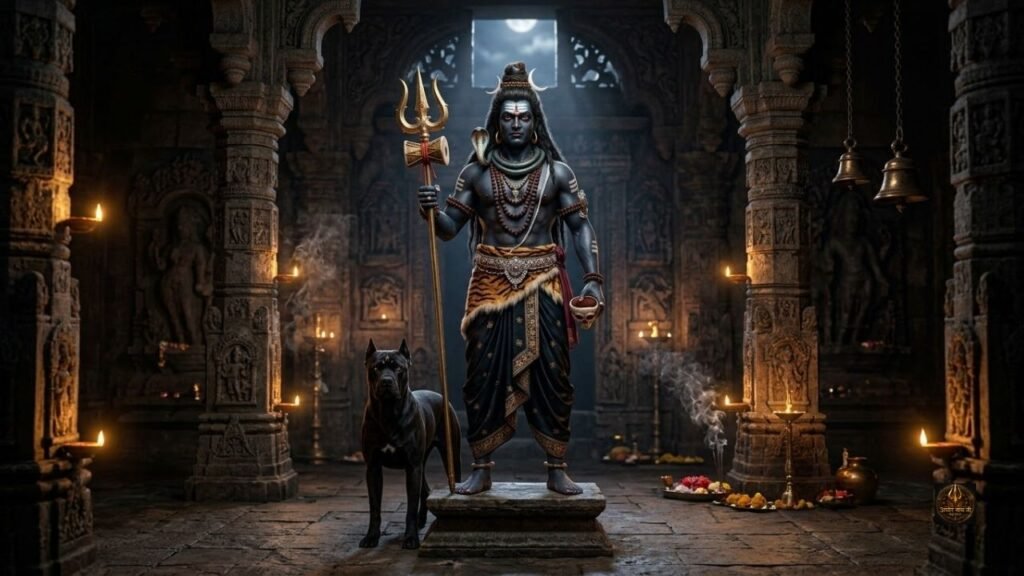
Shiv Pooja Ke Niyam
Shiv Pooja Ke Niyam | शिव पूजा के नियम
Shiv Pooja Ke Niyam Many devotees perform Shiva Puja regularly, yet they often wonder about the proper guidelines. Understanding shiv pooja ke niyam is important because following the traditional rules shows respect to Mahadev and helps the worship become more focused and fruitful. Lord Shiva is known as Bholenath — easily pleased by pure devotion — but observing the basic niyam keeps the practice pure and aligned with scripture.
This article explains the important rules of Shiva Puja in simple language. It covers preparation, what to offer, what to avoid, timing, direction, and common mistakes so that every seeker can perform the puja with clarity and confidence.
Why Rules Matter in Shiva Puja
The outer rules of puja create the right atmosphere and train the mind in discipline and reverence. When the body, space, and offerings are pure, the mind becomes quieter and more receptive to Shiva’s presence. Knowing shiv pooja ke niyam prevents unintentional mistakes and allows the devotee to focus on the inner feeling of devotion rather than confusion about the method. Shiv Pooja Ke Niyam
Basic Preparation Rules
Before starting the puja, observe these fundamental rules:
- Take a full bath and wear clean clothes. White, light yellow, or simple cotton clothes are preferred.
- Clean the puja area thoroughly. The place should feel pure and calm.
- Sit on a clean asana (mat or cloth). Avoid sitting directly on the floor.
- Face east or north while performing the puja. These directions are considered auspicious for Shiva worship.
- Keep the mind calm. Avoid arguments, negative speech, or heavy food before the puja.
These preparatory steps form the foundation of proper Shiva worship.
What Should Be Offered to Lord Shiva
Certain offerings are especially dear to Mahadev:
- Water and Gangajal: The most basic and important offering. A continuous thin stream during abhishek is ideal.
- Bilva (Bel) Leaves: The most sacred offering. Always use fresh, unbroken leaves with three leaflets. Place them with the smooth side facing the Linga.
- Panchamrit: Milk, curd, ghee, honey, and sugar. These cool and nourish the energy of the Linga.
- White flowers, dhatura, and aak flowers: Traditional and pleasing to Shiva.
- Sandalwood paste (chandan) and vibhuti (sacred ash).
- Fruits and simple sattvic sweets as naivedya.
Offering these items with devotion is a core part of shiv pooja ke niyam.
What Must Be Avoided in Shiva Puja
Just as important as knowing what to offer is knowing what not to offer:
- Tulsi leaves: Strictly prohibited in Shiva Puja according to traditional belief and stories related to Vrinda.
- Ketaki (Kewda) flower: Cursed in the Puranas and never offered to Shiva.
- Haldi (turmeric) and Kumkum: These are generally avoided on the Shivalinga because Shiva is an ascetic.
- Water from a conch (Shankh Jal): Considered inauspicious for Shiva.
- Broken, torn, or insect-eaten bilva leaves: Only whole and fresh leaves should be used.
- Coconut water for abhishek is avoided in many traditional lineages.
Following these restrictions keeps the worship pure according to classical guidelines.
Important Rules During Abhishek
Abhishek is the heart of Shiva Puja. Observe these points:
- Pour water or milk in a gentle, continuous stream. Avoid pouring roughly.
- Chant “Om Namah Shivaya” throughout the abhishek.
- After offering Panchamrit, always rinse the Linga again with pure water.
- Collect the abhishek water (charanamrit) respectfully and use it as prasad.
- Do not let the base of the Linga remain flooded for long.
Rules Related to Timing and Special Days
- The ideal time is early morning (Brahma Muhurta) or evening during Pradosh Kaal.
- Mondays (especially in Sawan) and Maha Shivratri carry special importance.
- Maintain consistency. Daily short puja is better than occasional elaborate worship done without feeling.
Rules for Mantra and Mental Attitude
- The primary mantra is “Om Namah Shivaya.” It can be chanted any number of times, ideally 108.
- Keep the mind focused. Avoid mechanical repetition.
- After the puja, sit quietly for a few minutes and offer the fruits of the worship to Mahadev.
- Always end with a prayer asking forgiveness for any mistakes (Kshama Prarthana).
Common Mistakes to Avoid
Many devotees unknowingly break shiv pooja ke niyam by:
- Offering tulsi or ketaki out of habit
- Using damaged bilva leaves
- Performing puja in a hurry without cleanliness
- Facing the wrong direction
- Treating the ritual as a mere formality rather than an act of love and surrender
Awareness of these points helps the practice remain pure.
Simple Daily Practice Following the Rules
Even a short daily puja can follow the essential niyam:
- Bathe and wear clean clothes.
- Clean the space and light a diya.
- Face east or north.
- Offer water and a few bilva leaves while chanting Om Namah Shivaya.
- Perform a short aarti.
- Sit in silence for a minute and offer gratitude.
This simple routine, done with sincerity, is fully in accordance with the spirit of the rules.
The Deeper Meaning of the Rules
All the external rules ultimately point to one inner principle: purity of heart and complete surrender. Lord Shiva does not need elaborate offerings. He accepts a single bilva leaf offered with true devotion. The niyam exist to purify the devotee so that this pure devotion can arise more easily.
When the rules are followed with understanding rather than fear or rigidity, the puja becomes a joyful meeting with Mahadev rather than a burden. Shiv Pooja Ke Niyam
Guidance for Correct Practice
While the basic rules are clear, personal doubts about materials, mantras, or individual capacity can arise. Guidance from an experienced teacher helps a seeker follow shiv pooja ke niyam correctly according to their situation and spiritual stage.
If you wish to receive clear guidance on authentic Shiva Puja, mantra practice, or deeper sadhana, you may contact:
Aghor Nath Ji Maharaj
📞 Call / WhatsApp: +91-7340452967
📧 Email: contacts@aghornathjimaharaj.info
🌐 Website: https://www.aghornathjimaharaj.info/
Begin with Awareness and Devotion
Now that you understand the essential shiv pooja ke niyam, begin your worship with confidence. Keep the space clean, offer the right items, avoid the prohibited ones, chant with feeling, and most importantly, keep the heart soft and surrendered. Shiv Pooja Ke Niyam
When the outer rules are observed with love and the inner attitude is one of humility, every act of puja becomes a direct offering to Mahadev. May your worship be pure, steady, and filled with the grace of Lord Shiva. Shiv Pooja Ke Niyam
Har Har Mahadev.