साधना, मंत्र और आध्यात्मिक विधियाँ
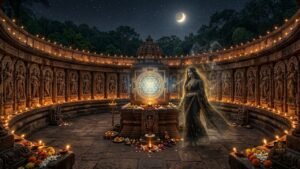
Sadhana & Mantras India’s spiritual heritage includes a vast range of traditions involving Sadhana, Mantra, Meditation, Bhakti, Shiva Upasana, Shakti Upasana, and self-reflection.
The purpose of this section is to introduce seekers to the spiritual and philosophical significance of these traditions and to provide a respectful understanding of their role in Indian spirituality.
What is Sadhana?
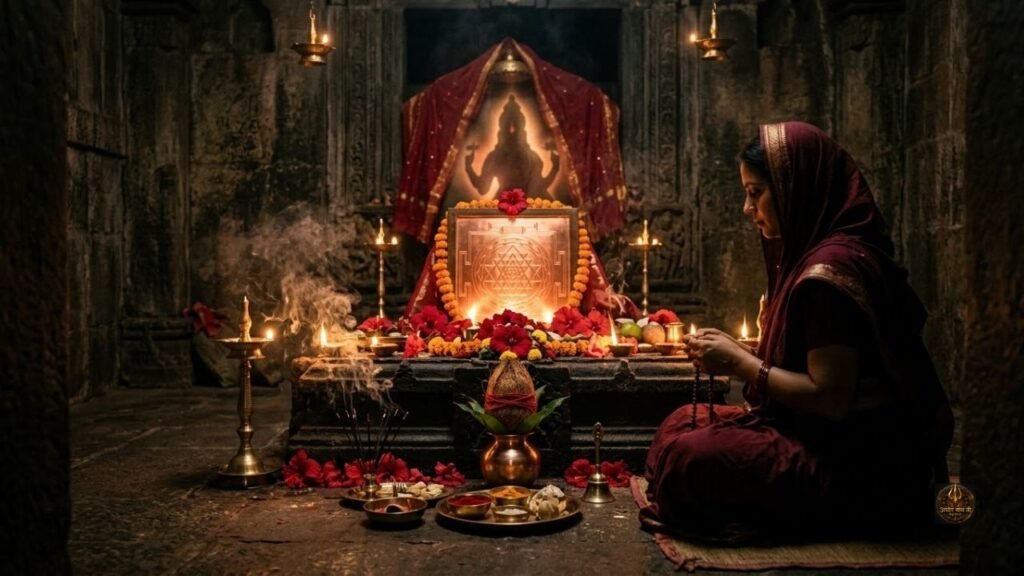
Sadhana is traditionally understood as a disciplined spiritual practice undertaken for inner development and spiritual awareness. Sadhana & Mantras
Sadhana may include meditation, prayer, mantra, contemplation, devotion, self-discipline, and other traditional practices depending on the spiritual lineage. Sadhana & Mantras
The deeper purpose of Sadhana is not simply to seek extraordinary experiences or supernatural abilities. It is a journey of developing awareness, discipline, devotion, concentration, and inner transformation. Sadhana & Mantras
What is a Mantra?
A Mantra is traditionally regarded as a sacred sound, syllable, word, or phrase used in spiritual practice.
Mantra practice may be connected with meditation, prayer, devotion, concentration, and contemplation.
Different spiritual traditions have different mantras, methods, pronunciations, rules, and purposes. Therefore, not every mantra should be treated as a universal practice. Sadhana & Mantras
Certain traditional or advanced mantras may require appropriate initiation and guidance from a qualified Guru.
Mantra and Meditation
Mantra and meditation can complement one another in many spiritual traditions.
Focused repetition or contemplation of a mantra may help a practitioner develop concentration and awareness. Meditation encourages the seeker to observe the mind, thoughts, emotions, and inner experiences. Sadhana & Mantras
The purpose is to gradually cultivate greater mental discipline and inner stillness.
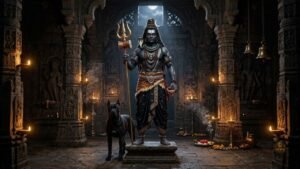
Shiva Sadhana
Lord Shiva is one of the central forms of worship within Shaiva traditions.
Shiva Sadhana may involve:
- Meditation
- Shiva Mantra
- Prayer
- Devotional worship
- Contemplation
- Rudraksha
- Self-discipline
The spiritual symbolism of Shiva encourages seekers to explore stillness, awareness, detachment, transformation, and consciousness.
Shakti Sadhana
Shakti Sadhana is connected with the worship and contemplation of Divine Feminine energy.
Forms such as Maa Durga, Maa Kali, Maa Mahakali, and Maa Kamakhya hold important places in different Shakta traditions.
Shakti Upasana may involve devotion, meditation, mantra, prayer, and traditional worship according to the practitioner’s lineage and guidance.
Aghor Sadhana
Aghor Sadhana is associated with a spiritual path emphasizing fearlessness, detachment, acceptance, awareness, and inner transformation. Sadhana & Mantras
Aghor should not be understood only through sensational stories or popular representations.
Its deeper philosophical dimension encourages the seeker to overcome fear, excessive attachment, ego, and rigid distinctions while developing greater awareness of the self and the Divine. Sadhana & Mantras
The Importance of a Guru
Traditional spiritual practices have historically been transmitted through the Guru-Shishya tradition.
A qualified Guru may guide a seeker regarding:
- Appropriate spiritual practice
- Mantra discipline
- Meditation
- Traditional observances
- Spiritual preparation
- Understanding of the relevant lineage
Some advanced practices may have specific traditional restrictions and should not be attempted simply by copying instructions found online.
Sadhana and Daily Life
Spiritual practice does not have to be separated from everyday life.
A disciplined spiritual lifestyle may include:
- Regular meditation
- Prayer and devotion
- Self-reflection
- Respectful conduct
- Control of unnecessary desires
- Compassion toward others
- Responsible actions
- Consistent spiritual practice
The real value of Sadhana can be seen through gradual changes in awareness, character, discipline, and understanding.
Our Approach
The purpose of this section is spiritual education and awareness, not the promotion of fear, superstition, manipulation, or guaranteed supernatural results. Sadhana & Mantras
We aim to present traditional subjects such as Mantra, Sadhana, Tantra, Aghor, Shiva Upasana, and Shakti Upasana with respect for their cultural and spiritual context. Sadhana & Mantras
Different lineages may follow different methods and interpretations. Seekers should therefore approach spiritual practices with discernment, humility, discipline, and appropriate guidance.