Maran Kriya Ki Manyata
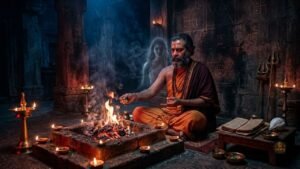
Maran Kriya Ki Manyata The phrase refers to the belief, recognition, or importance that some people may attach to a highly restricted category menti
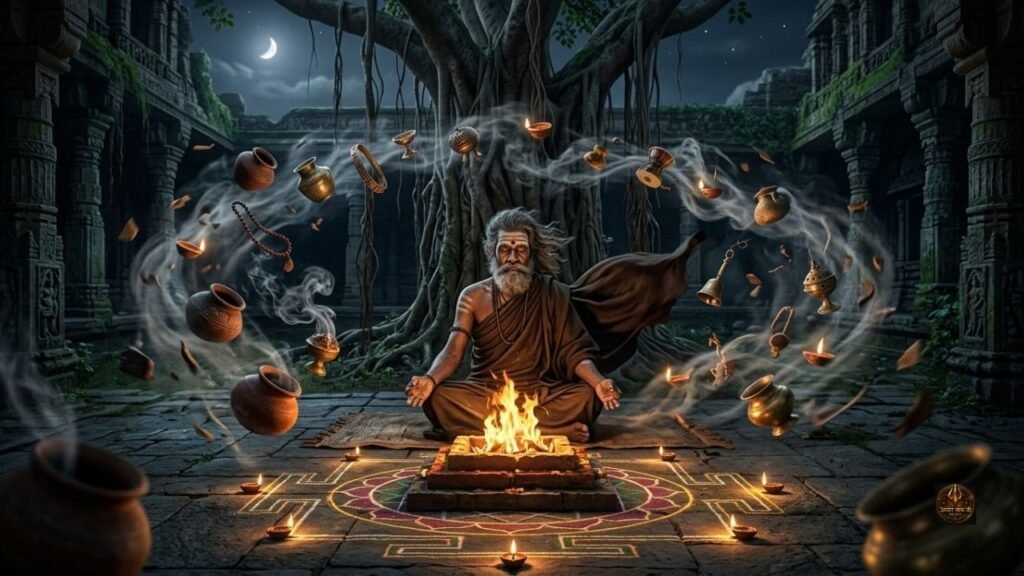
Maran Kriya Ki Manyata
Understanding the Belief and the Traditional Rejection
Maran Kriya Ki Manyata The phrase refers to the belief, recognition, or importance that some people may attach to a highly restricted category mentioned in classical Tantric classification. This article explains the subject in simple, clear English so that readers can understand what genuine traditional knowledge actually says about it.
The purpose is awareness and strong caution. No methods, procedures, mantras, or practical details are described. The intention is to help readers develop clear discrimination and turn toward authentic protection.
What Does “Maran Kriya Ki Manyata” Mean?
“Manyata” means belief, acceptance, or the value given to something. When people speak of Maran Kriya Ki Manyata, they are referring to the idea that some individuals or stories treat this category as a powerful or important form of Tantric accomplishment. Maran Kriya Ki Manyata
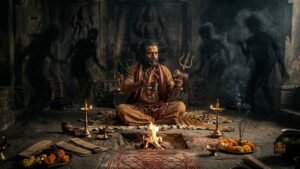
In classical literature, Maran appears among the most severe of the restricted acts sometimes listed under Shatkarma. Traditional knowledge, however, does not give this category high spiritual value. On the contrary, authentic teachers treat it with extreme caution and generally withhold recognition from it. Maran Kriya Ki Manyata
Why Some People Still Talk About It
Despite the strong traditional warnings, the subject continues to appear for a few reasons:
- Curiosity about anything presented as secret or powerful
- Dramatic stories that circulate without full context
- Incomplete understanding of what genuine Tantra aims for
- The human desire for control or special ability
These factors explain why the topic remains in discussion. They do not mean that the practice deserves recognition or acceptance.
The Traditional View on Its Value
In authentic Tantric and Aghor understanding, not every category mentioned in old texts receives the same manyata. Higher spiritual traditions clearly distinguish between:
- Paths that lead toward purity, fearlessness, and liberation
- Practices that move toward harm and create heavy consequences
Maran belongs to the second group. Experienced teachers consistently point out that:
- Acts intended to cause harm create strong negative karma
- Working with dense aggressive energies can disturb the mind and subtle body
- Such practices take the seeker further from the real goals of spiritual life
- Modern legal reality also strongly discourages any form of harm
Because of these reasons, genuine masters do not give positive manyata to this category. The real traditional position is one of strong rejection and caution. Maran Kriya Ki Manyata
Difference Between Higher Recognition and Lower Claims
True spiritual recognition is given to accomplishments that elevate the seeker. Lower claims often arise from curiosity or the desire for power.
This distinction is important. Giving any positive manyata to harmful categories without discrimination can lead seekers away from genuine progress. Maran Kriya Ki Manyata
Authentic Aghor Perspective
The living Aghor tradition does not give importance to practices aimed at harming others. True Aghor sadhana confronts fear and dualities so that the practitioner can realise the non-dual nature of consciousness. The goal is liberation and the capacity to help others with compassion.
When families face unexplained disturbances, the focus remains on identification, protection, and restoration of balance.
Aghor Nath Ji Maharaj is known for specialised work in mashani knowledge and spiritual protection. His approach centres on identifying negative entities, guiding families through difficult energetic situations, and restoring peace through traditional methods. This represents the protective and transformative side of the tradition.
What Ordinary Seekers Should Understand
If the topic Maran Kriya Ki Manyata has brought you here, the most useful understanding is this:
- Traditional knowledge does not give high recognition to this category.
- Curiosity alone is not qualification.
- Real spiritual strength comes from purity, discipline, and higher connection — never from harming others.
- Self-interest in harmful practices carries serious consequences.
The safest and most beneficial path for ordinary people remains clear and practical:
- Maintain daily protective practices such as sincere chanting of “Om Namah Shivaya” or the Hanuman Chalisa.
- Keep the home clean and light a pure ghee lamp regularly.
- Perform ancestral rites when needed with a pure heart.
- Avoid any interest in or experimentation with harmful practices.
- If unexplained fear, heavy atmosphere, or persistent disturbances continue, seek guidance from an experienced and authentic source focused on protection.
Conclusion: True Manyata Belongs to Higher Paths
Maran Kriya Ki Manyata reflects the belief that some people may attach to a highly restricted and dangerous category. Traditional knowledge acknowledges its existence in classical classification while simultaneously withholding positive recognition and issuing the strongest possible warnings. Maran Kriya Ki Manyata
Genuine spiritual progress is measured by increasing peace, clarity, fearlessness, and compassion. Paths that involve harming others move in the opposite direction and carry heavy consequences. Maran Kriya Ki Manyata
If you or your family are facing ongoing unexplained disturbances, heavy energy at home, or situations that feel connected to subtle influences, authentic traditional guidance focused on protection and balance can bring clarity and lasting peace.
Aghor Nath Ji Maharaj
🌐 Website: https://www.aghornathjimaharaj.info/
📞 Call / WhatsApp: +91-7340452967
📧 Email: contacts@aghornathjimaharaj.info
May every seeker develop true discrimination and choose the path of light, protection, and lasting peace.