Pitaron ko Moksh Kaise Dilayen: Complete Guide to Ancestral Liberation
Pitaron ko Moksh Kaise Dilayen is a deeply meaningful question for every person who feels a sense of duty toward their departed ancestors. In

Pitaron ko Moksh Kaise Dilayen
Pitaron ko Moksh Kaise Dilayen | पितरों को मोक्ष कैसे दिलाएं
Pitaron ko Moksh Kaise Dilayen is a deeply meaningful question for every person who feels a sense of duty toward their departed ancestors. In Sanatan Dharma, it is believed that the soul continues its journey after death. When the final rites are incomplete, strong attachments remain, or certain karmic obstacles exist, the departed soul may face delays in progressing toward higher realms or liberation (moksha).
Descendants can perform specific rituals and acts of merit that help clear these obstacles and support the ancestors’ onward journey. This article explains the authentic, traditional methods in simple and clear English so that readers can understand and apply them with sincerity and faith. Pitaron ko Moksh Kaise Dilayen
Understanding Pitru Moksha
Moksha means liberation from the cycle of birth and death and merging with the Divine. For ancestors (Pitras), moksha refers to their release from any intermediate state of restlessness, attachment, or unfinished duties so that they can move freely toward higher spiritual planes.
Scriptures such as the Garuda Purana describe that the rites performed by children and family members act like a bridge. These acts provide subtle nourishment, clear residual desires, and generate positive merit that helps the soul advance. While ultimate liberation depends on the individual’s own karma and divine grace, the sincere efforts of descendants play an important supportive role. Pitaron ko Moksh Kaise Dilayen
Why Some Ancestors May Need Special Help
Not every departed soul requires extra rituals. However, certain situations are traditionally considered more challenging:
- Death without proper Antyeshti (final rites)
- Accidental, unnatural, or premature death
- Strong unfulfilled desires or attachments
- Lack of male heirs or interrupted family lineage in earlier generations
- Incomplete Shraddha over many years
In such cases, the soul may remain in a restless state (sometimes called Pret Yoni). Performing the right remedies helps transform that state into peace and forward movement.
Most Powerful Traditional Methods for Pitru Moksha
1. Pind Daan at Gaya
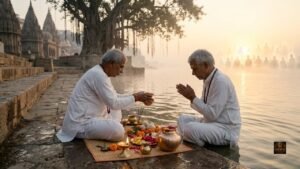
Gaya in Bihar is regarded as the most powerful place for ancestral liberation. According to the Puranas, performing Pind Daan at Vishnupad Temple and related sites in Gaya can bring peace and progress to many generations of ancestors at once. The rice balls (pindas) offered here are believed to provide a subtle body and nourishment that help the soul move ahead. Many families consider a visit to Gaya a once-in-a-lifetime duty for the entire lineage.
2. Proper Shraddha Rituals
Annual Shraddha, especially during Pitru Paksha, is essential. When performed on the correct tithi (lunar day) of the ancestor’s departure, or on Sarva Pitru Amavasya, it satisfies the subtle needs of the Pitras. The ritual includes Tarpan, offering of food, feeding of Brahmins, and dakshina. Regular and faithful performance of Shraddha is one of the most accessible ways to support ancestral peace and liberation. Pitaron ko Moksh Kaise Dilayen
3. Tarpan with Black Sesame Seeds
Tarpan is the offering of water mixed with black sesame seeds (kala til) while facing south and remembering the ancestors by name and gotra. This simple act is described as providing immediate relief and nourishment to the departed. It can be done daily, on every Amavasya, or during Pitru Paksha. Consistency and pure intention increase its effectiveness.
4. Charity and Acts of Merit Dedicated to Ancestors
Any act of dana (charity) performed with the sankalpa that the merit should reach the ancestors becomes a powerful aid. Feeding the hungry, donating clothes, supporting education, or helping cows and the needy while dedicating the act to the Pitras generates positive energy that supports their journey. Feeding crows is also traditional, as they are considered Pitaron ko Moksh Kaise Dilayenmessengers of the ancestors.
5. Special Rituals for Difficult Cases
In situations involving unnatural death or strong indications of Pitru Dosha, more specific rituals such as Narayan Bali, Nagbali, or Tripindi Shraddha are recommended in the scriptures. These are usually performed under the guidance of experienced priests at sacred places like Trimbakeshwar or Gaya. They are designed to address deeper residual issues and help the soul move out of any stuck state. Pitaron ko Moksh Kaise Dilayen
Supporting Daily and Monthly Practices
Even without large ceremonies, simple daily habits create continuous support:
- Chanting “Om Pitrubhyo Namah” or the Pitru Gayatri with devotion
- Offering water to the rising Sun while remembering ancestors
- Lighting a diya facing south in the evening
- Pouring water at the root of a Peepal tree
- Maintaining respect and care for living elders in the family
These small acts keep the channel of gratitude open and steadily contribute to ancestral peace.
The Importance of Faith, Intention, and Correct Method
Rituals alone are not enough. The inner attitude of the person performing them matters greatly. When the rites are done with genuine love, gratitude, and the sincere wish for the ancestors’ highest good, their effect becomes much stronger.
It is also important to follow the correct procedure as far as possible. Incomplete or incorrect rituals performed in a hurry may not give the desired result. Taking guidance from a knowledgeable priest or spiritual teacher helps ensure that the process is done properly. Pitaron ko Moksh Kaise Dilayen
Common Misunderstandings
Some people believe that only one grand ritual is enough for all time. In reality, regular remembrance and yearly Shraddha maintain the connection. Others think that moksha can be “forced” through rituals. The truth is that rituals remove obstacles and provide support; the final liberation still rests on the soul’s readiness and divine grace. Pitaron ko Moksh Kaise Dilayen
Fear-based performance of rites is less effective than actions rooted in duty and affection.
Conclusion: A Sacred Responsibility Across Generations
Pitaron ko moksh kaise dilayen is not merely a ritual question. It is an expression of love, responsibility, and continuity between generations. By performing Pind Daan, Shraddha, Tarpan, charity, and sincere prayers, descendants help clear the path for their ancestors while also purifying their own family lineage. Pitaron ko Moksh Kaise Dilayen
These acts bring peace to the departed, reduce unseen obstacles in the living family, and create an atmosphere of blessings and harmony. Whether through a pilgrimage to Gaya or simple daily offerings at home, every sincere effort counts.
If you wish to understand the right rituals for your family situation, perform them under proper guidance, or seek deeper spiritual direction related to ancestral liberation, you may connect with: Pitaron ko Moksh Kaise Dilayen
Aghor Nath Ji Maharaj
📞 Call / WhatsApp: +91-7340452967
📧 Email: contacts@aghornathjimaharaj.info
🌐 Website: https://www.aghornathjimaharaj.info/
May the souls of your ancestors find lasting peace and progress toward the highest light, and may their blessings always protect and guide your family. Pitaron ko Moksh Kaise Dilayen