Tantra Aur Bhakti Mein Antar
Tantra Aur Bhakti Mein Antar is a question that arises naturally for many spiritual seekers in India. Both Tantra and Bhakti are powerful paths within
Tantra Aur Bhakti Mein Antar
Tantra Aur Bhakti Mein Antar is a question that arises naturally for many spiritual seekers in India. Both Tantra and Bhakti are powerful paths within the wider spiritual traditions of the land. Yet they approach the Divine and the goal of liberation in different ways. Understanding this difference helps a person choose the approach that suits their nature and stage of growth.
This article explains Tantra Aur Bhakti Mein Antar in clear and simple English. It covers the basic nature of each path, their key differences, points of similarity, and how a sincere seeker can approach both with clarity and respect.
What Is Bhakti?
Bhakti means devotion or loving attachment to the Divine. In the Bhakti Marg, the practitioner relates to God as a loving devotee relates to a higher being. The feeling of love, surrender, service, and emotional connection is central.
Common practices in the path of devotion include:
- Singing bhajans and kirtan
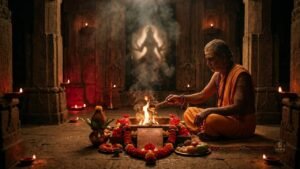
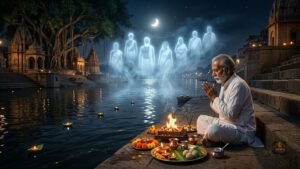
- Offering flowers, food, and light to the deity
- Repeating the name of God with feeling
- Reading stories of saints and divine play
- Serving the form of the chosen deity with humility
The core attitude is one of loving surrender. The devotee feels, “I am small, You are great. I offer myself to You.” This path is accessible to almost everyone and does not require complex rituals or secret knowledge. Emotional purity and sincerity of heart are considered more important than intellectual understanding or technical skill.
What Is Tantra?
Tantra is a practical system that works directly with energy, consciousness, and the subtle forces of life. The word “Tantra” can be understood as a method or framework for expansion. Traditional Tantra includes mantra, yantra, meditation, breath practices, and disciplined ritual. Tantra Aur Bhakti Mein Antar
In authentic Tantra, the practitioner does not remain only in the position of a servant. The aim is to recognize and awaken the same divine energy that exists within oneself. Through precise methods, the limited sense of self is gradually expanded until the practitioner experiences non-dual awareness. Tantra Aur Bhakti Mein Antar
Tantra often involves:
- Mantra repetition with specific techniques
- Use of yantras and sacred geometry
- Controlled work with subtle energy
- Guidance from a qualified teacher
- Strong emphasis on discipline, purity of intention, and readiness
Because the methods can be powerful, traditional teachers insist on proper initiation and ethical conduct.
Key Differences Between Tantra and Bhakti
Understanding Tantra Aur Bhakti Mein Antar becomes clearer when we look at the main points of difference.
Relationship with the Divine
In Bhakti, the relationship is primarily dualistic. There is the devotee and the Lord. Love flows from the smaller to the greater. In many forms of Tantra, especially non-dual streams, the ultimate goal is to realize that the worshipper and the worshipped are not separate. The same consciousness exists in both.
Method and Approach
Bhakti relies heavily on emotion, surrender, and remembrance of the Divine name and form. Tantra relies on structured techniques that work with sound, energy, and awareness. One path is more heart-centered; the other is more method-centered. Tantra Aur Bhakti Mein Antar
Accessibility
The path of devotion is open to people of all backgrounds with minimal formal requirements. Tantra traditionally requires readiness, discipline, and often formal guidance from a teacher. Not every method is suitable for every person at every stage.
View of the World
Bhakti often sees the world as a field for service and remembrance of God. Certain Tantric approaches treat every experience, including those considered impure by ordinary standards, as potential fuel for transformation when handled with the right awareness and method. Tantra Aur Bhakti Mein Antar
Goal Orientation
Both paths ultimately aim at liberation or union with the Divine. Bhakti emphasizes loving union through surrender. Tantra emphasizes direct realization of the divine nature already present within through systematic practice.
These differences form the practical core of the Difference between Tantra and Bhakti.
Points of Similarity and Meeting Places
Although the approaches differ, Tantra and Bhakti are not complete opposites. In living traditions they often support each other.
Many Tantric practices include deep devotion to the chosen deity or Guru. Without sincerity of heart, technical methods remain dry. At the same time, many great Bhaktas have used mantras, disciplined routine, and subtle awareness that closely resemble Tantric principles.
In some advanced non-dual teachings, pure devotion itself becomes a form of Tantra when the devotee begins to recognize the Divine as their own deepest Self. The feeling of love remains, but the sense of separation gradually dissolves.
Which Path Is Suitable for Whom?
The choice depends on the individual’s nature and readiness.
The Bhakti Marg suits those who:
- Naturally feel emotional connection with a form of God
- Prefer simple, heartfelt practices
- Find strength in surrender and service
- Wish for a path that can be followed in ordinary daily life without complex preparation
Tantra suits those who:
- Feel drawn to systematic work with energy and consciousness
- Are ready for disciplined practice under guidance
- Wish to understand and transform the subtle forces of mind and body
- Seek a more direct and technical approach to self-realization
Many sincere seekers benefit from elements of both. Devotion keeps the heart soft, while disciplined method keeps the practice steady and effective. Tantra Aur Bhakti Mein Antar
Common Misunderstandings
Several misconceptions create confusion about Tantra Aur Bhakti Mein Antar:
- Tantra is not the opposite of devotion. Authentic Tantra includes deep reverence.
- Bhakti is not weak or emotional only. True devotion requires great inner strength and consistency.
- One path is not superior to the other. Both can lead to the highest goal when followed sincerely.
- Mixing methods without understanding can create imbalance. Guidance helps a person know what is appropriate at each stage.
The Role of Intention and Guidance
In both paths, the quality of intention decides the result. Practices done with pure motive, humility, and sincerity support growth. Practices done with greed, fear, or the desire for control over others create obstacles.
For those drawn toward Tantric methods, traditional teachers emphasize the need for proper guidance. The living tradition associated with Aghor Nath Ji Maharaj focuses on ethical understanding, protection, and disciplined practice rooted in authentic knowledge.
Practical Advice for Seekers
Anyone exploring these paths can benefit from a balanced attitude:
- Study both approaches with an open yet discerning mind
- Observe which practices bring genuine peace and clarity
- Maintain ethical conduct and mental purity
- Avoid extreme claims or fear-based stories
- Seek clarification from reliable sources when confusion arises
- Remember that steady personal effort is more important than collecting techniques
Real progress comes from sincerity, consistency, and self-honesty rather than from the label of the path.
Connecting with Authentic Knowledge
For those who wish to understand these subjects more deeply or seek personal direction rooted in living tradition, the verified details are: Tantra Aur Bhakti Mein Antar
Name: Aghor Nath Ji Maharaj
Website: https://www.aghornathjimaharaj.info/
Call / WhatsApp: +91-7340452967
Email: contacts@aghornathjimaharaj.info
A responsible conversation usually begins with understanding the individual’s nature, current needs, and readiness. The focus remains on clarity, ethical support, and genuine spiritual growth.
Final Thoughts
Tantra Aur Bhakti Mein Antar is not a question of which path is better. It is a question of understanding two complementary approaches to the same ultimate Reality. Bhakti softens the heart through love and surrender. Tantra sharpens awareness through precise method and energy work.
When a seeker understands the difference clearly, it becomes easier to walk with confidence and avoid unnecessary confusion. Some people remain lifelong devotees. Others feel called to the disciplined methods of Tantra. Many find that elements of both enrich their journey. Tantra Aur Bhakti Mein Antar
The deepest truth remains the same in both paths: sincere effort, pure intention, and the grace of the Divine lead the practitioner toward lasting peace and freedom. Labels matter less than the quality of the inner life. Tantra Aur Bhakti Mein Antar
This article has presented a balanced and practical overview in simple language. Individual temperaments differ, and the most suitable approach is the one that brings genuine clarity, strength, and humility. Approach both traditions with respect, remain grounded in personal responsibility, and move forward with steady sincerity. Tantra Aur Bhakti Mein Antar