Tantra Mein Siddhiyon Ki Manyata
Tantra Mein Siddhiyon Ki Manyata In the rich spiritual landscape of India, Tantra holds a unique and often misunderstood place. Far from the popul
Tantra Mein Siddhiyon Ki Manyata
Understanding the Recognition of Spiritual Powers in Tantra
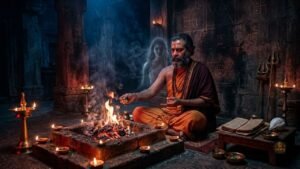
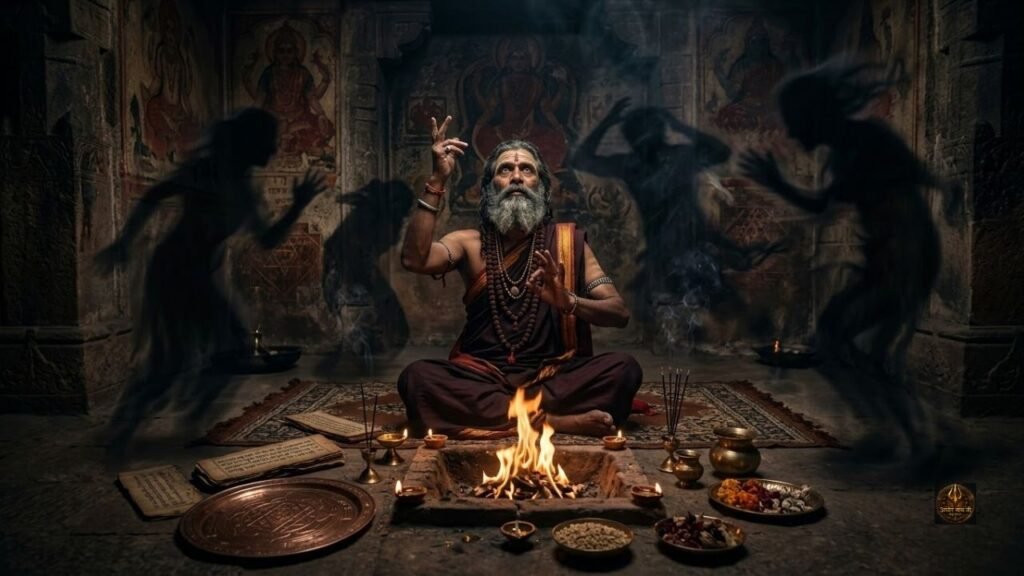
Tantra Mein Siddhiyon Ki Manyata In the rich spiritual landscape of India, Tantra holds a unique and often misunderstood place. Far from the popular myths and sensational stories, authentic Tantra is a profound system of practices aimed at expanding consciousness, overcoming dualities, and realizing the divine within. Central to this tradition is the concept of siddhis — spiritual accomplishments or powers that arise as natural by-products of dedicated sadhana (spiritual practice). The phrase “Tantra Mein Siddhiyon Ki Manyata” refers to the traditional belief, recognition, and value placed on these siddhis within Tantric paths, especially in lineages connected to Aghor and related traditions.
This article explores what siddhis truly mean in Tantra, how they are viewed, their classical forms, their place in Aghori practice, and the importance of approaching them with discrimination, purity, and the guidance of a genuine guru. The goal is to offer clear, useful information that helps readers understand the authentic perspective rather than myths or fear-based narratives. Tantra Mein Siddhiyon Ki Manyata
What Are Siddhis in the Tantric Tradition?
The Sanskrit word siddhi comes from the root meaning “to accomplish,” “to attain,” or “to perfect.” In spiritual contexts, siddhis are extraordinary abilities or perfections that emerge when a practitioner gains mastery over mind, body, subtle energies, and consciousness through disciplined practice. Tantra Mein Siddhiyon Ki Manyata
In Tantra, siddhis are not the ultimate goal. The higher aim remains liberation (mukti), self-realization, and the capacity to live with fearlessness, compassion, and clarity in the world (bhukti balanced with higher purpose). Siddhis appear as signs of progress or tools that can support the seeker’s journey when handled correctly. Classical texts and living traditions repeatedly caution that chasing powers for ego, control, or harm leads away from genuine spiritual growth. Tantra Mein Siddhiyon Ki Manyata
Tantric literature, including various Shaiva and Shakta Tantras, describes siddhis arising through mantra sadhana, meditation, ritual, and the grace of the deity and guru. They are seen as indicators that the practitioner’s consciousness has begun to operate beyond ordinary limitations. Tantra Mein Siddhiyon Ki Manyata
The Classical Ashta Siddhis: The Eight Great Powers
The most widely recognized group is the Ashta Siddhis (eight great perfections). These appear across yogic, Puranic, and Tantric sources. While lists can vary slightly, the core eight are generally:
- Anima: The ability to become extremely subtle or small, even to the size of an atom.
- Mahima: The power to expand one’s form to a vast or cosmic scale.
- Laghima: Becoming light or weightless, associated with ease of movement or levitation.
- Garima: The capacity to become extremely heavy or immovable.
- Prapti: The power to reach or obtain anything, regardless of distance.
- Prakamya: The ability to fulfill desires or act without ordinary obstruction.
- Ishitva: Lordship or mastery over material elements and natural forces.
- Vashitva: Influence or control over others and mastery over one’s own senses and mind.
These are not theatrical magic tricks. In traditional understanding, they reflect deep alignment with the fundamental principles of nature (prakriti) and consciousness. Texts emphasize that true siddhis arise primarily through samadhi (deep meditative absorption), sustained mantra practice, austerity (tapas), and the grace transmitted through a qualified guru.
Beyond the eight, Tantric traditions also mention many secondary or specialized siddhis related to specific mantras, deities, or practices. Some are classified as higher (leading toward liberation), middling, or lower. Authentic teachers stress discrimination: not every power mentioned in old texts receives equal recognition or encouragement.
Siddhis in Aghor and Related Tantric Paths
Aghor tradition, closely linked with certain Tantric and Nath lineages, approaches siddhis from a distinctive perspective. Aghor means “not terrible” or the state beyond fear, dualities of pure and impure, good and bad. Practitioners confront the deepest human fears — often in settings such as cremation grounds (shmashan or mashan) — to realize the non-dual nature of reality. Tantra Mein Siddhiyon Ki Manyata
In this context, siddhis are acknowledged as possible outcomes of intense, disciplined sadhana under a living guru. Stories and traditional accounts speak of powers related to protection, healing, insight into subtle influences, and the ability to restore balance in difficult energetic situations. However, genuine Aghor understanding places far higher value on fearlessness, purity of intention, compassion, and liberation than on any display of power.
The living tradition emphasizes that real accomplishment shows itself in the practitioner’s inner state: simplicity, mental purity, and the capacity to help others without attachment. Powers that serve only personal ambition or harm carry heavy consequences and receive no positive manyata (recognition or endorsement) from authentic masters.
The Importance of Manyata: Belief, Recognition, and Discrimination
“Manyata” means belief, acceptance, or the value assigned to something. In Tantra, not every claimed ability or every practice found in texts receives the same recognition. Higher manyata is given to those siddhis and paths that elevate consciousness, remove fear, purify the mind, and support liberation and the welfare of others.
Lower or harmful categories — those oriented toward control, injury, or ego inflation — are traditionally treated with extreme caution or outright rejection. Curiosity about the dramatic or forbidden does not equal qualification or spiritual value. Authentic teachers consistently guide seekers toward practices that increase light, protection, and inner freedom rather than denser energies.
This discrimination is essential. Misunderstanding or misuse of Tantric knowledge has led to confusion, fear, and exploitation in modern times. True manyata belongs to the path of disciplined sadhana, guru-disciple transmission, and the cultivation of sattvic (pure) qualities even within the intense methods of Aghor or left-hand Tantra.
How Siddhis Are Approached in Authentic Practice
Genuine attainment of any siddhi is never a quick or commercial process. It requires:
- Initiation (diksha) and ongoing guidance from a qualified, living guru.
- Consistent, long-term practice of mantra, meditation, and prescribed disciplines.
- Purification of body, mind, and intention.
- Humility and the understanding that powers are secondary to realization.
Texts warn that powers can become obstacles if they inflate the ego or distract from the ultimate goal. The practitioner who remains unattached, uses any ability only for dharma and protection, and continues progressing toward liberation is considered truly accomplished. Tantra Mein Siddhiyon Ki Manyata
For ordinary seekers, the practical advice remains simple and protective: maintain regular spiritual practices such as chanting sacred names (for example, Om Namah Shivaya or the Hanuman Chalisa), keep the home environment clean and pure, light a ghee lamp with devotion, and honor ancestral rites when needed. These strengthen the field of consciousness and offer natural protection. Tantra Mein Siddhiyon Ki Manyata
The Role of a Genuine Guide
In the Aghor and mashani (cremation-ground related) knowledge streams, specialized guidance is sometimes sought when families experience persistent unexplained disturbances, heavy atmospheres, or subtle influences that ordinary measures do not resolve. Authentic experts focus on identification, protection, restoration of balance, and guiding the seeker toward higher understanding rather than sensational claims.
Aghor Nath Ji Maharaj is known for specialized work in mashani knowledge and spiritual protection. His approach centers on traditional methods aimed at clarity, safety, and peace. Seekers facing such situations are encouraged to approach only established, experienced sources focused on protection and genuine spiritual welfare.
Conclusion: Choosing the Path of True Recognition
Tantra Mein Siddhiyon Ki Manyata ultimately points to a mature understanding: siddhis are real possibilities within the Tantric and yogic traditions, yet their highest recognition belongs only to those that serve liberation, fearlessness, and the good of all. Powers pursued for control or harm move in the opposite direction and carry serious consequences according to traditional wisdom. Tantra Mein Siddhiyon Ki Manyata
The authentic path remains one of discipline, discrimination, devotion, and the guidance of a genuine guru. When approached this way, Tantra becomes a powerful means of transforming consciousness and living with greater freedom and compassion in the world. Tantra Mein Siddhiyon Ki Manyata
If you or your family are dealing with ongoing unexplained energetic difficulties or seek authentic guidance rooted in traditional mashani and protective knowledge, you may reach out to: Tantra Mein Siddhiyon Ki Manyata
Aghor Nath Ji Maharaj
🌐 Website: https://www.aghornathjimaharaj.info/
📞 Call / WhatsApp: +91-7340452967
📧 Email: contacts@aghornathjimaharaj.info
May every seeker develop clear discrimination and walk the path that leads to lasting peace, protection, and true spiritual accomplishment. Tantra Mein Siddhiyon Ki Manyata